"not losing to the rain, not losing to the wind not losing to the snow or to the summer's heat
with a strong body, not fettered by desire
by no means offending anyone
always quietly smiling"
Miyazawa Kenji

WabiMoji
A place where moments are accepted the way they are: imperfect.
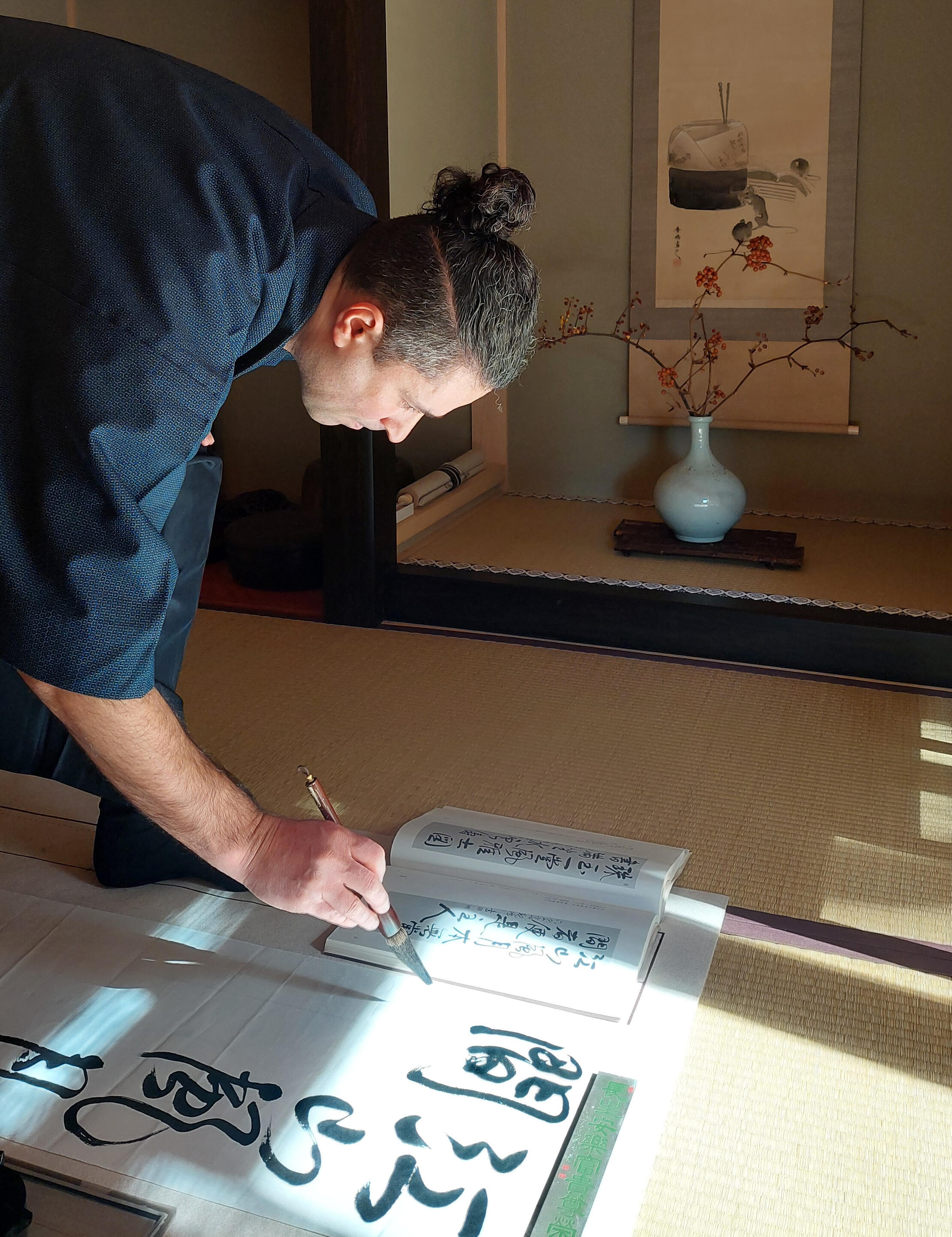
Hi and thanks for stopping by!I am a certified 8th dan Japanese calligraphy (shodō) artist, a Romanian language novelist and an aikidoka. I sign my calligraphy work with Ryōfū 遼風, a name composed of two characters meaning "far" and "wind" and my literary work as Martin Kumamoto.In 2012 I moved to Japan, where eight years later I received my PhD in modern Japanese literature. I am currently living in a beautiful corner of Kyoto, dividing my day between teaching, creating shodō art, practicing aikidō and writing. After more than a decade of learning and training I found myself with a lot things I wanted to share.Life took me to more and more crowded places, but I always longed for the peacefulness that nature offers. I started this site with the hope of creating a place to bring together these three essential dimensions for a human being: art, learning, and nature.WabiMoji, Imperfect Letters, draws from the Japanese aesthetic concept of wabi-sabi. While I was learning calligraphy I realised that there is no perfect writing and each piece of art, as each moment and each of our actions, is beautiful in its imperfection and impermanence.Check the About section for more details.
© 2026 by Martin Kumamoto
"not losing to the rain, not losing to the wind not losing to the snow or to the summer's heat
with a strong body, not fettered by desire
by no means offending anyone
always quietly smiling"
Miyazawa Kenji

I began writing poetry when I was 14. Although there have been long breaks at times, I have continued to write both poetry and proze, diary and academic articles. In 2024, I made my debut with the novel Camera de studiu [The Study Room], which received a national award in Romania. On this page, you can find what I have published. Enjoy your reading!
Books
Camera de studiu
(Available only in Romanian at the moment)
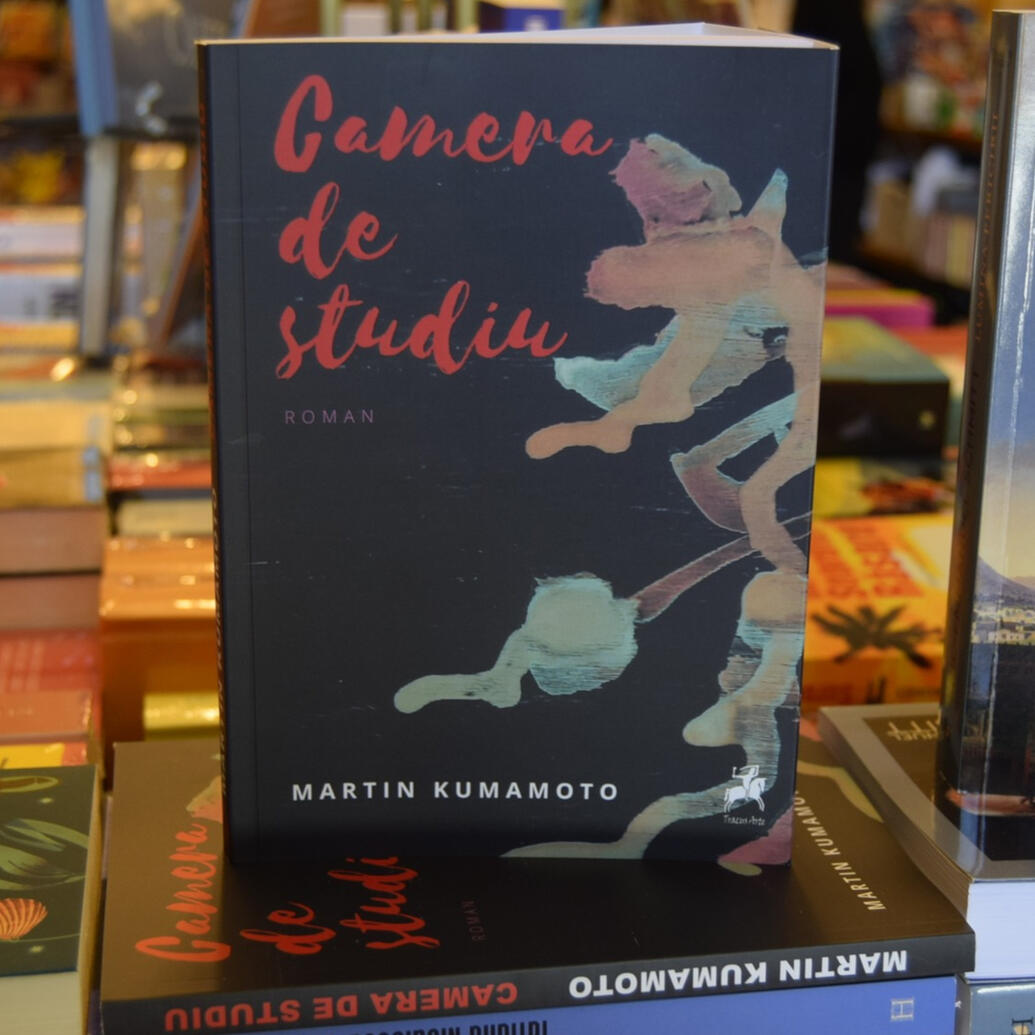
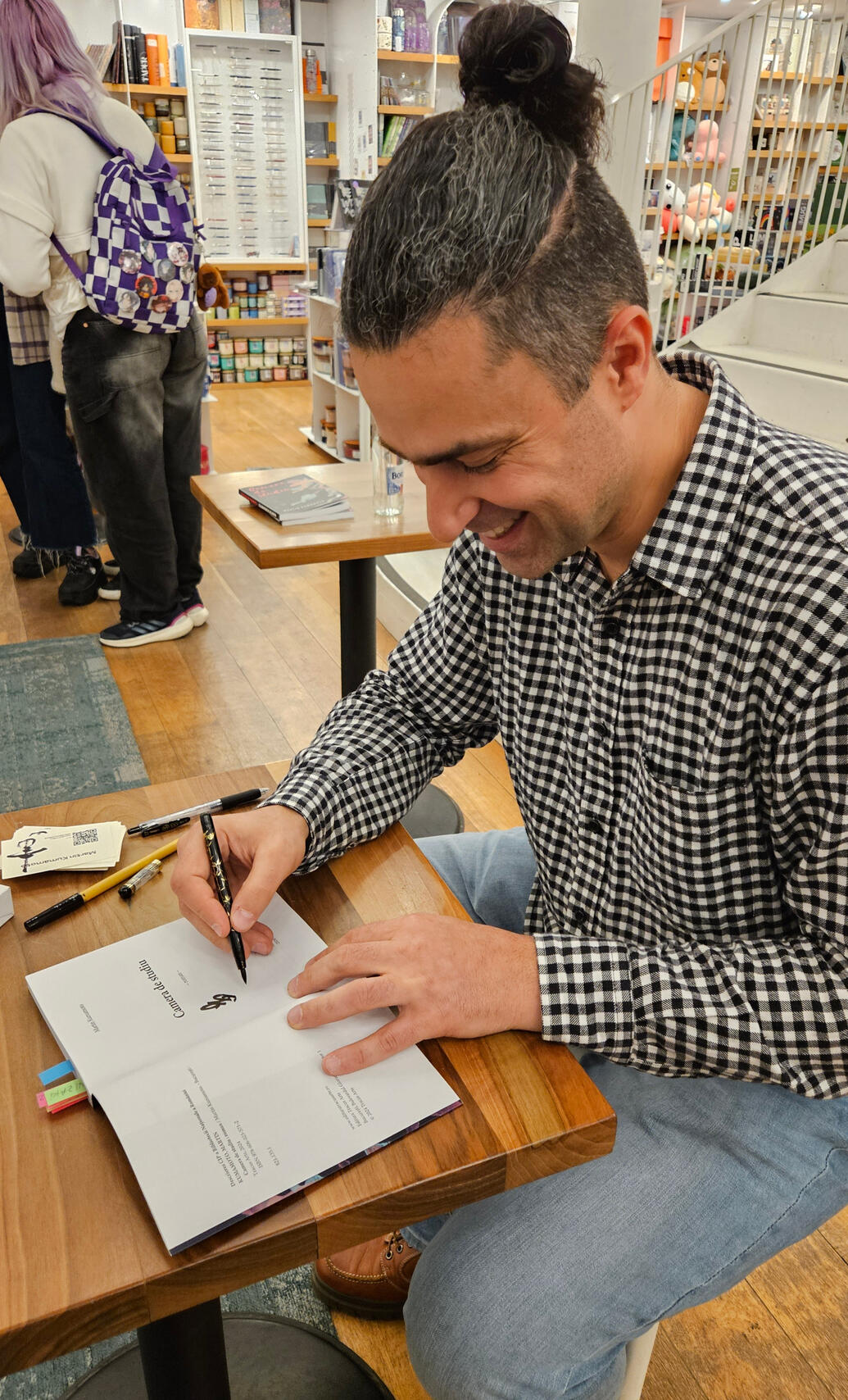
Am început Camera de studiu pe la sfârșitul iernii lui 2021 într-o minusculă garsonieră din Osaka și am terminat-o până la sfârșitul verii lui 2022 cu senzația că am trecut printr-un tunel. Nu știam prea bine ce fac, dar știam că trebuie să scriu. În timp ce lucram mi-am dat seama că era o carte despre Japonia și interculturalitate, despre ADHD și depresie, despre sexualitate, relație la distanță și sinucidere - deși nu voiam să scriu ceva complex, erau prea multe teme. Am ales să nu-mi pese, am ales cuvintele lui Henry Miller „First person, uncensored, formless—fuck everything!” drept călăuză și să mă exprim așa cum sunt.
Știu povestea asta de la tatăl meu, care a aflat-o de la tatăl lui, care a auzit-o de la tatăl lui: Dobrogea, anii 1890. Coloniștii români, veniți de prin Transilvania, se apucă să „dreagă” o veche fântână turcească ce funcționează foarte bine, dar ei au nevoie de mai multă apă, pentru turmele de oi. Golesc fântâna, astupă cu lână vâna de apă bună care o alimenta, apoi dau zor să lărgească fântâna de piatră; treabă lungă și grea, cu care ei nu sunt obișnuiți. Reușesc în cele din urmă și se grăbesc să scoată dopul de lână, așa încât vâna de apă să umple la loc fântâna, acum mult mărită, așa cum și-o doriseră. Dar vâna secase. Apa își săpase alt drum prin pietroasele adâncuri dobrogene, iar marea lor fântână a rămas goală. Moartă.
Martin, imigrant în Japonia, se luptă cu o iubire imposibilă, cu fântâna lui vie, cu Maria. Maestrul Martin ajunge să descopere nu că-i un meșter nepriceput, ci c-a lucrat de la bun început la fântâna greșită. Nu Maria avea nevoie de reparații, ci el însuși: fântânarul e una cu fântâna. Cum se va extrage Martin din adâncuri? Cum va răzbi spre lumină? Răspunsul e-un roman poate prea dur: „Camera de studiu”.MIHAI BUZEA
Martin Kumamoto ne propune Camera de studiu în primul rând ca pe o scriitură gen terapie, un fascinant experiment de lectură, dar cu siguranță și pentru a desluși substratul unui roman care va deveni în scurt timp best seller. Dialogurile sunt sublimate de imagini puternice, de sentimente contradictorii și mai ales de o introspecție care ne duce cu gândul la romanele japonezului Ishiguro. Forma captivantă prin care se succed evenimentele din Camera de studiu, personajele, erotismul, interconectările dintre lumi diferite induc pofta de lectură cu o apetență pe care prea puține cărți pe care le-am citit în ultimii ani au reușit să o facă. O garsonieră din Osaka în care Martin experimentează trăirile unei depresii absurde, pe care viața ne-o așterne inevitabil printre alte mizerii cotidiene, devine o citadelă de studiu în care Maria are un loc aparte, privilegiat.
Tentativa de schimbare totală aduce însă cu sine o nouă provocare. Vă doresc lectură plăcută iar lui Martin Kumamoto îi doresc mult succes cu acest splendid roman.GELU VLAȘIN
© 2026 by Martin Kumamoto
"not losing to the rain, not losing to the wind not losing to the snow or to the summer's heat
with a strong body, not fettered by desire
by no means offending anyone
always quietly smiling"
Miyazawa Kenji

The Story
I imagine Imperfect Letters as a place where art, learning, and nature beautifully intertwine.
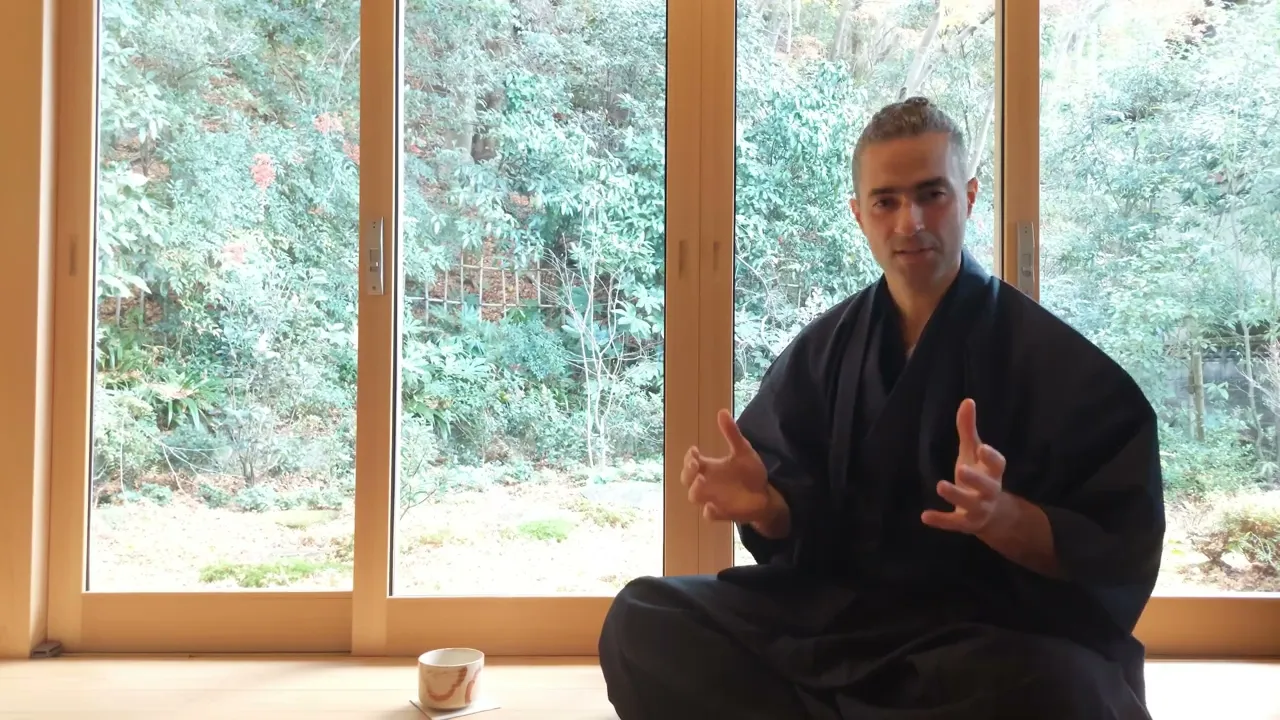

I believe it is essential to learn from the world around us, as it offers invaluable lessons. Through this understanding, we can express ourselves creatively, capturing the beauty of our experiences. We must remember though that while this expression is significant, it is just a small part of the larger tapestry of life.
Learning
I believe that our purpose is to educate ourselves and embrace lifelong learning. Education has the potential to address the pressing issues of our time, including war, poverty, inequality, and environmental destruction. Rather than solely pursuing innovation, we must cultivate self-awareness and control over our own impulses. I advocate for a learning experience rooted in nature, recognizing our interconnectedness.
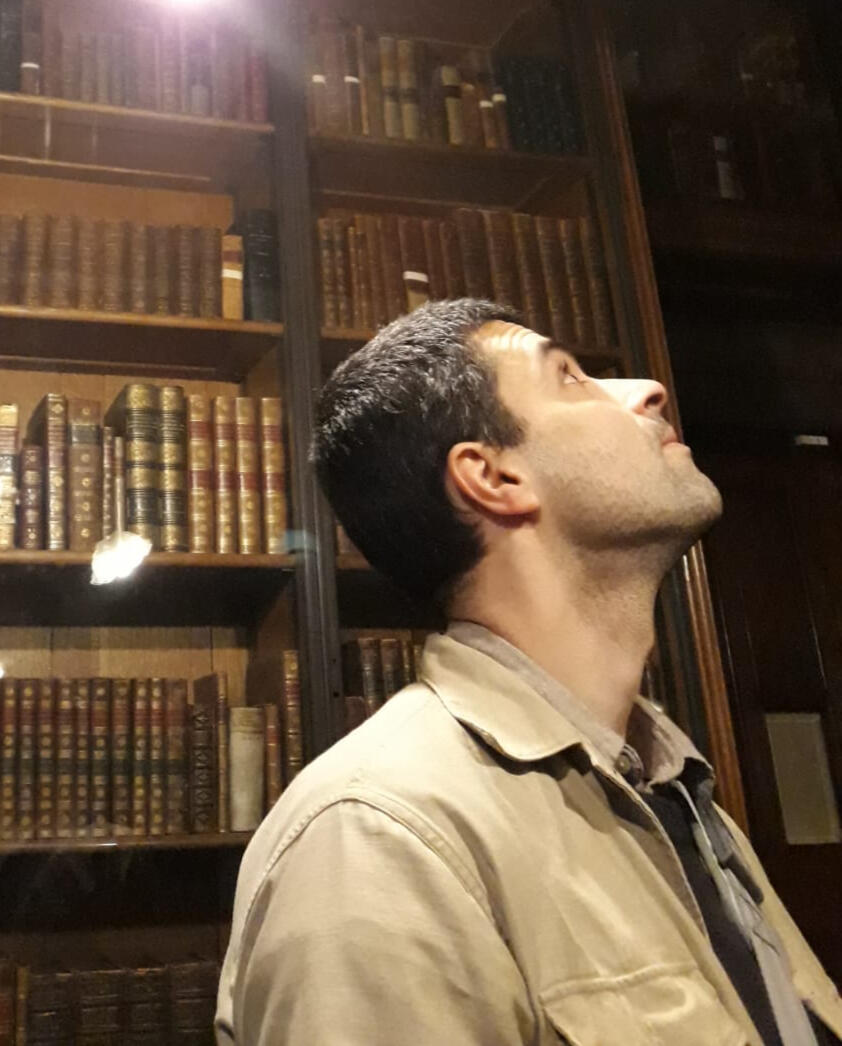
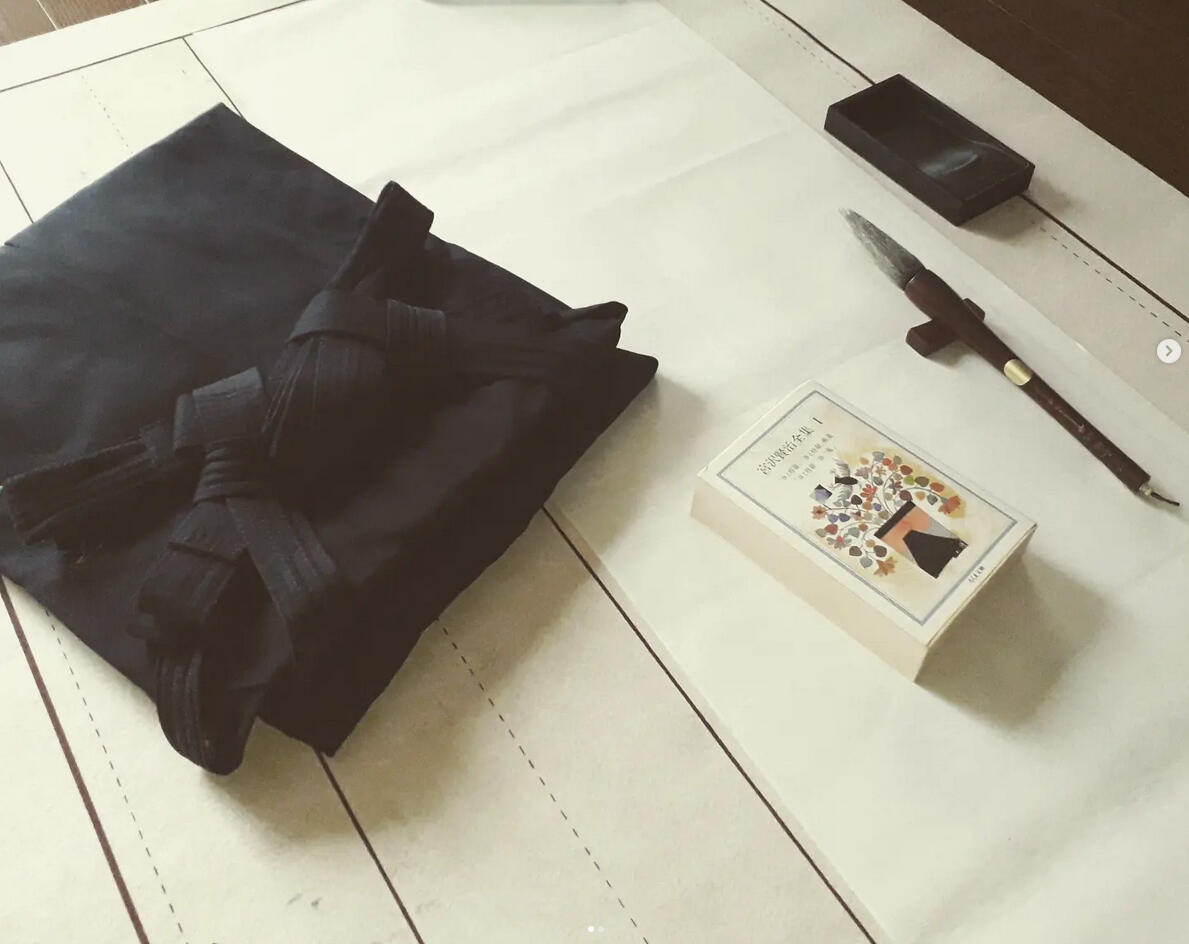
Bunburyōdō
In Japanese, certain philosophical concepts, life lessons, or proverbs are often expressed through four-character compounds. One such term is 文武両道 bunburyōdō, which translates to “being accomplished in both the literary and military arts.” At some point, I realized that my entire life has embodied this principle. For nearly three decades, I have sought both to educate myself and to express my thoughts through literature and martial arts, and I intend to continue this journey.
Keikoshōkon
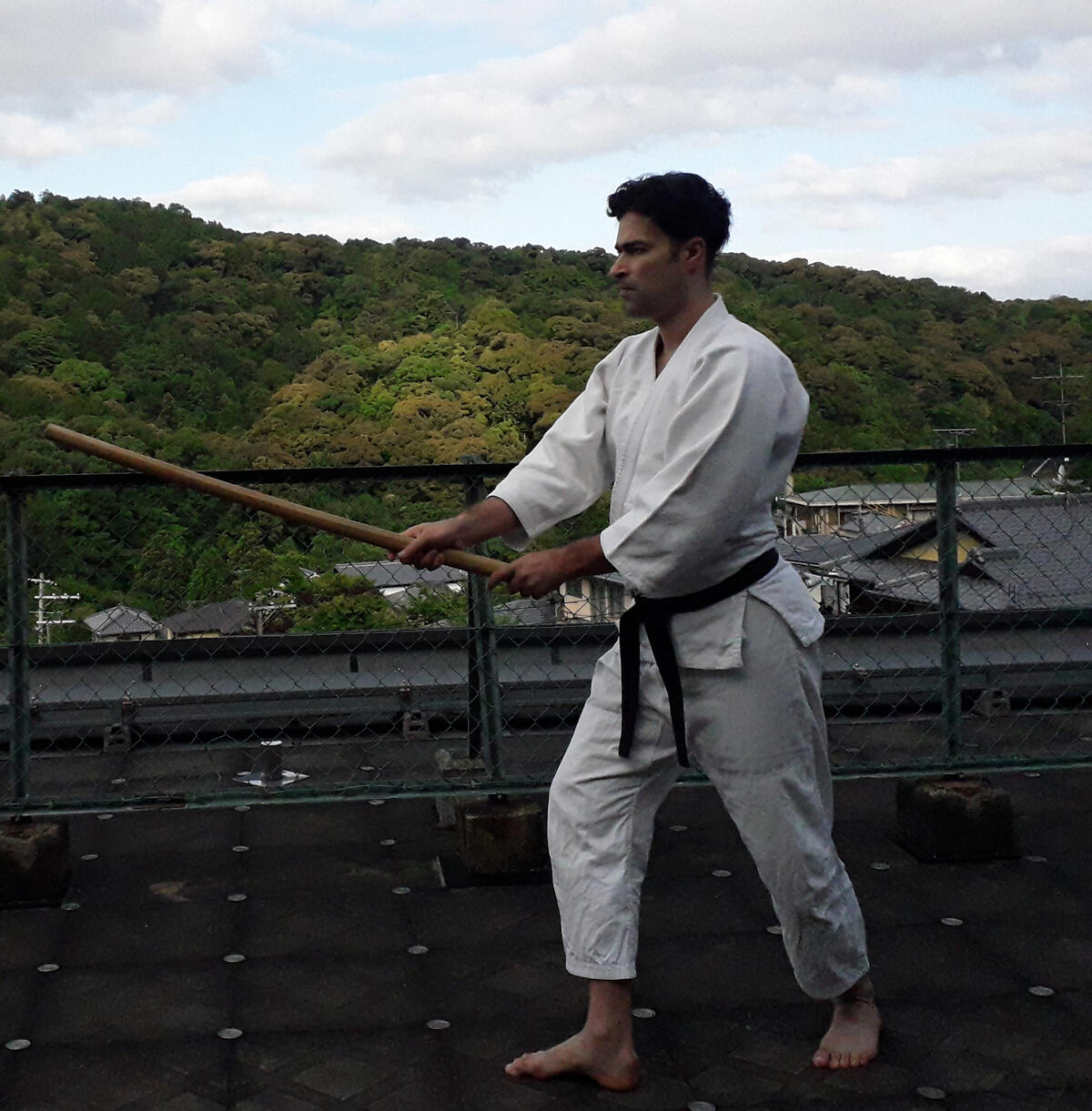
Another four-character compound from Japanese that guides me is 稽古照今 keikoshōkon. I often heard this phrase from my aikido teacher, who learned it from his own teacher. It translates to “train and illuminate the present.” However, since the Japanese word for training consists of two characters meaning “to think/to reflect” and “old,” a more nuanced interpretation is: “reflect on the form passed down from your ancestors and apply it in practice to bring light to the present and, by extension, to your future.”
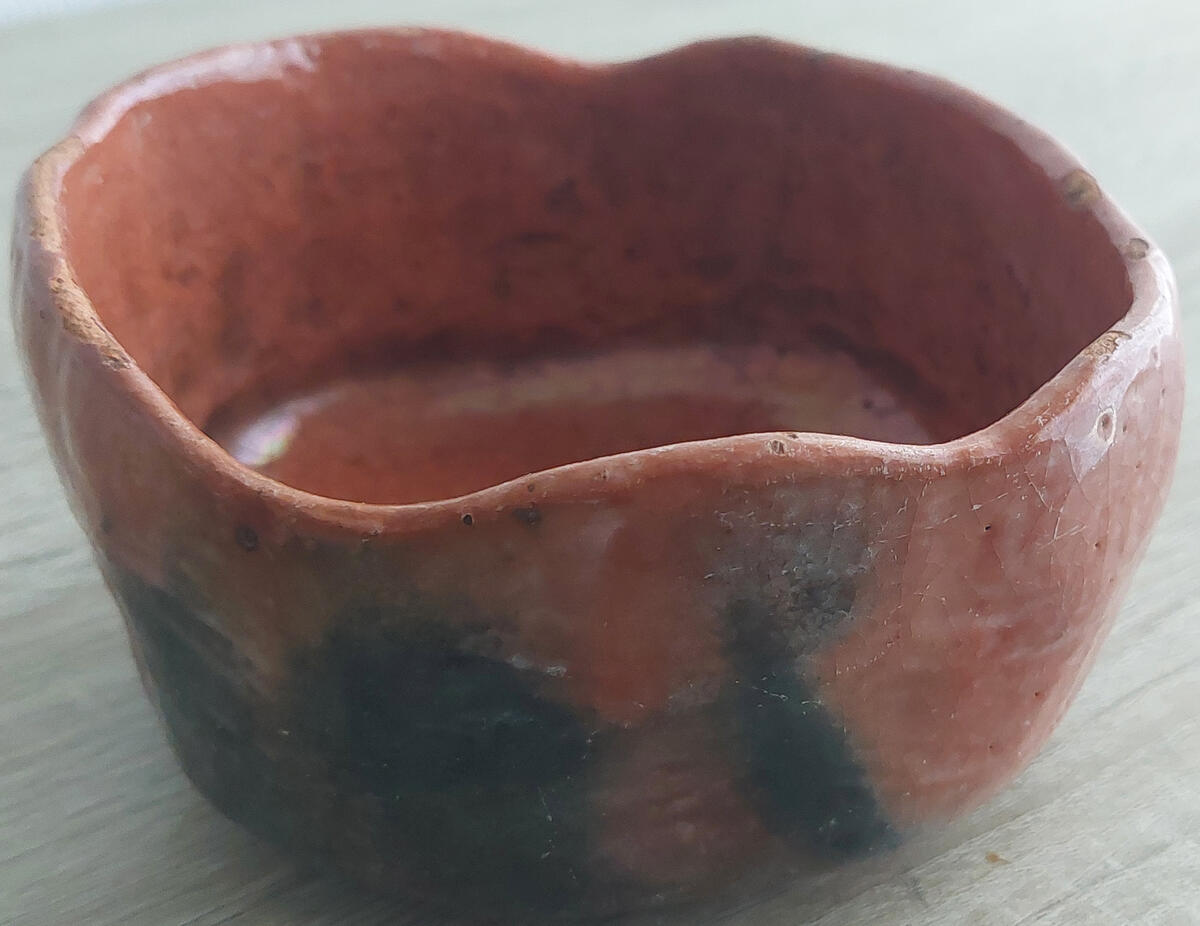
Wabi-sabi
A concept with deep roots in the tea ceremony and increasingly recognized outside Japan, wabi-sabi, for me, embodies not only the beauty of imperfection but also the acceptance of the natural decay of things. It signifies, to some extent, the acknowledgment that we do not live forever and that, like everything, we age. For me, art holds significance not in its grandeur, but rather in its modesty—leaning towards minimalism and focusing on the present moment, rather than striving for eternal conquest.
© 2026 by Martin Kumamoto